
Is Ceramic Microwave Safe?
By Linda · · 8 min read
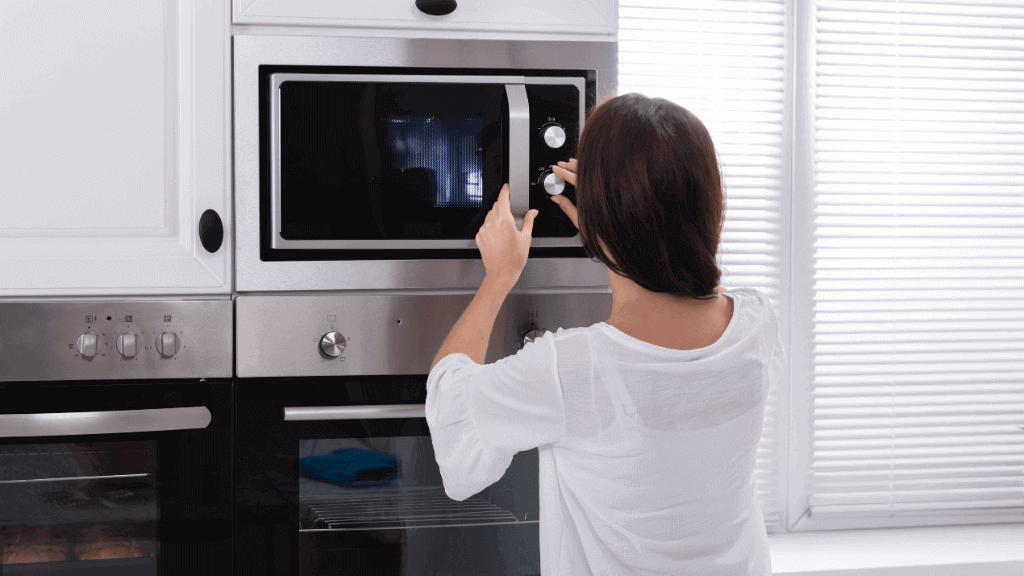
Most glazed ceramic is microwave safe. A dense, fully glazed stoneware or porcelain dish with no metal on it heats your food, not itself, and handles repeated microwaving without trouble.
The pieces that cause problems are low-fired porous ceramic that soaks up water, anything with gold or silver decoration, and dishes with crazed or chipped glaze. Below I’ll show you the 30-second test to tell the difference, plus why some mugs come out of the microwave scorching hot while the drink inside stays lukewarm.
How to Tell If a Ceramic Dish Is Microwave Safe
Start with the bottom of the piece. Many commercial dishes carry a stamp: a small microwave symbol (usually wavy lines), the words “microwave safe,” or a clear “not for microwave use.” If you see a label, trust it.
If there’s no label, check these three things in order:
- Look for metal. Gold or silver rims, metallic luster glazes, and shiny decals will spark. No metal anywhere it could touch the microwave’s energy.
- Inspect for damage. Run a fingernail over the surface. Chips, cracks, and a fine network of cracked glaze (crazing) all let water into the clay body.
- Judge the clay body. Thin, light, glassy-feeling pieces are usually high-fired and dense. Heavy, chalky, or rough-bottomed pieces are more likely porous earthenware that gets hot.
When you can’t tell from looking, run the water test in the next section. It settles the question in under a minute.
The 30-Second Water Test
This is the test I trust most for an unmarked piece:
- Set the empty ceramic dish in the microwave.
- Put a separate microwave-safe cup of water inside or right next to it.
- Run the microwave on high for 30 to 60 seconds.
- Carefully feel the ceramic. The water should be hot. The empty dish should be cool or barely warm.
If the dish itself comes out hot while the water is only lukewarm, the clay is absorbing microwave energy because it’s porous and holding moisture. That piece will keep getting hotter with use and can crack from steam pressure. Keep it out of the microwave.
Never run this test with the dish completely empty. A microwave with nothing to absorb its energy can damage its own magnetron, which is why the cup of water matters.
Why Does Ceramic Get Hot in the Microwave?
A microwave is supposed to heat the water in your food, not the dish. When a ceramic dish gets hot on its own, it’s because the clay body has water inside it.
Dense, vitrified ceramic (stoneware and porcelain fired to maturity) is non-porous. Water can’t soak in, so there’s nothing in the walls for the microwave to heat. The dish stays cool and the food gets hot.
Porous ceramic is the opposite. Low-fired earthenware, terracotta, and unglazed or under-glazed pieces drink up water through any bare or flawed surface. That trapped moisture turns to steam in the microwave, heats the dish from the inside, and over time can crack it. This is the single most common reason a mug comes out hot enough to need a towel.
Crazing and chips create the same problem on an otherwise good dish. A crazed mug often passes the touch test when it’s new, then starts running hot months later once the clay body has slowly soaked up dishwater through the cracks. If you’re seeing that pattern, crazing is likely the culprit, and it’s worth understanding what those fine lines mean for both safety and value.
Which Types of Ceramic Are Microwave Safe?
“Ceramic” covers a huge range, from a garden flowerpot to fine bone china. They don’t all behave the same way in a microwave. The deciding factor is how dense the clay body fired.
| Ceramic type | Typical firing | Porosity | Microwave verdict |
|---|---|---|---|
| Porcelain | Cone 8–12 (2,305–2,419°F / 1,263–1,326°C) | Near zero | Excellent, if no metallic trim |
| Stoneware | Cone 5–10 (2,167–2,381°F / 1,186–1,305°C) | Very low | Very good |
| Earthenware / terracotta | Cone 06–04 (1,828–1,945°F / 998–1,063°C) | High | Use caution; many pieces get hot |
| Unglazed / bisque ware | Varies, often low | Very high | Avoid |
| Raku | Low-fired, crackled | Very high | Never |
Stoneware and porcelain are the safe bets. Both fire dense enough that the body won’t take on water, so the microwave heats your food instead of the dish.
Earthenware is the wide gray zone. Cone 04 earthenware stays porous even after firing, so it relies entirely on its glaze to keep water out. A complete, well-fitted glaze can make a terracotta dish microwave-friendly. Any unglazed foot, chip, or glaze flaw undoes that, and a lot of brightly colored imported dinnerware falls into this category. Raku and bare bisque ware are porous by design and don’t belong in a microwave at all.
Is a Ceramic Bowl Microwave Safe?
Usually yes, if it’s a standard glazed stoneware or porcelain bowl with no metallic decoration. Those make up most of the bowls in a typical cupboard and microwave without complaint.
A few bowl-specific things to watch:
- Unglazed bottoms. Many bowls have a bare ring on the base where they sat in the kiln. On vitrified stoneware that’s harmless. On porous earthenware it’s an entry point for water, so check whether the bare clay feels glassy or chalky.
- Decorative glazes with a metallic sheen. Some bronze, gunmetal, or oil-slick finishes contain enough metal to spark even without an obvious gold rim. Test these before trusting them.
- Soup and cereal bowls used daily. These get heavy dishwasher and microwave duty. Inspect them every few months for new crazing or chips that change a safe bowl into a porous one.
When in doubt with any bowl, the 30-second water test gives you a clear answer.
Handmade, Vintage, and Antique Ceramic: Be More Careful
Mass-produced dinnerware from a reputable maker is usually labeled and easy to judge. Handmade and older pieces need a closer look.
Handmade ceramic from a competent potter is typically fired to stoneware temperatures and microwaves beautifully. If you can ask the maker, two questions settle it: what cone they fire to, and whether the piece is dishwasher safe. Stoneware fired to cone 5 or higher that’s rated dishwasher safe is almost always microwave safe too. For the full rundown on judging a piece’s safety, see my guide on how to tell if pottery is food safe.
Vintage and antique ceramic carry an extra concern beyond heating: lead. Older and imported glazes, especially bright reds, oranges, and yellows, were often made with lead, and heating in a microwave can speed up leaching into food. I treat unmarked vintage and imported pieces as decorative by default and serve food on modern ware.
Ceramic vs. Other Materials: A Quick Comparison
If you’re deciding what to reach for, here’s how ceramic stacks up:
- Glazed stoneware and porcelain. The most reliable microwave choice. Dense, non-porous, no metal.
- Earthenware and terracotta. Depends entirely on the glaze. Test first.
- Glass. Generally microwave safe and easy to judge, since you can see it’s solid and metal-free.
- Anything with metal. Never. This includes ceramic with gold or silver trim, not only obvious metal cookware.
The question of microwaving fired clay overlaps a lot with the broader topic of whether pottery is microwave safe, since all pottery is ceramic. The labels, symbols, and edge cases are the same. If you want the deeper version of this guide aimed at studio and craft-fair pieces, can you microwave pottery walks through mugs, stoneware, and handmade work in more detail.
A Few Habits That Keep Ceramic Safe
Even microwave-safe ceramic lasts longer with a little care:
- Skip fridge-to-high-power. A cold dish blasted on full power can crack from thermal shock. Let it sit a few minutes or start at 50% power.
- Use medium power for handmade dishes. It’s gentler on the piece and reheats food more evenly anyway.
- Inspect before heating. A crack you can catch a fingernail on disqualifies the piece until it’s repaired or retired.
- Assume the dish is hot. Even a microwave-safe piece picks up heat from the food it holds. Grab a towel every time.
If a piece fails the water test, don’t force it. Reheat that food in the oven with a cold start instead, putting the dish into a cold oven and letting both warm up together.
FAQ
Is ceramic microwave safe?
Most glazed stoneware and porcelain ceramic is microwave safe, as long as it has no metallic decoration and no cracks or crazing. Porous low-fired earthenware and unglazed pieces are the exception, since they absorb water and get hot. Check for a microwave-safe stamp, or run the 30-second water test on any unmarked piece.
Can you microwave ceramic?
Yes, in most cases. Dense, fully glazed ceramic without metal heats your food rather than itself. Avoid microwaving ceramic with gold or silver trim, visible chips or cracks, or a porous clay body that fails the water test.
Is a ceramic bowl microwave safe?
A standard glazed stoneware or porcelain bowl with no metallic trim is microwave safe. Watch out for unglazed porous bottoms on earthenware bowls and for decorative metallic glazes that can spark. When unsure, test the bowl next to a cup of water for 30 seconds.
Why does ceramic get hot in the microwave?
The clay body has absorbed water, either because it’s porous low-fired ceramic or because crazing or a chip let moisture into a denser piece. The microwave heats that trapped water instead of your food, so the dish gets hot. Stop microwaving that piece, since the steam pressure can crack it.
Is handmade ceramic microwave safe?
Usually, if it was fired to stoneware or porcelain temperatures with a complete food-safe glaze. Ask the maker what cone they fire to and whether the piece is dishwasher safe. If you can’t ask, run the 30-second water test before trusting it in the microwave.
Can you microwave ceramic with gold trim?
No. Gold and silver trim, metallic lusters, and shiny metallic glazes arc in a microwave. The sparking can scorch the decoration, crack the piece, and damage the microwave, so keep any metal-decorated ceramic out entirely.