
Used Pottery Wheels: Where to Buy and What to Pay
By Linda · · 9 min read
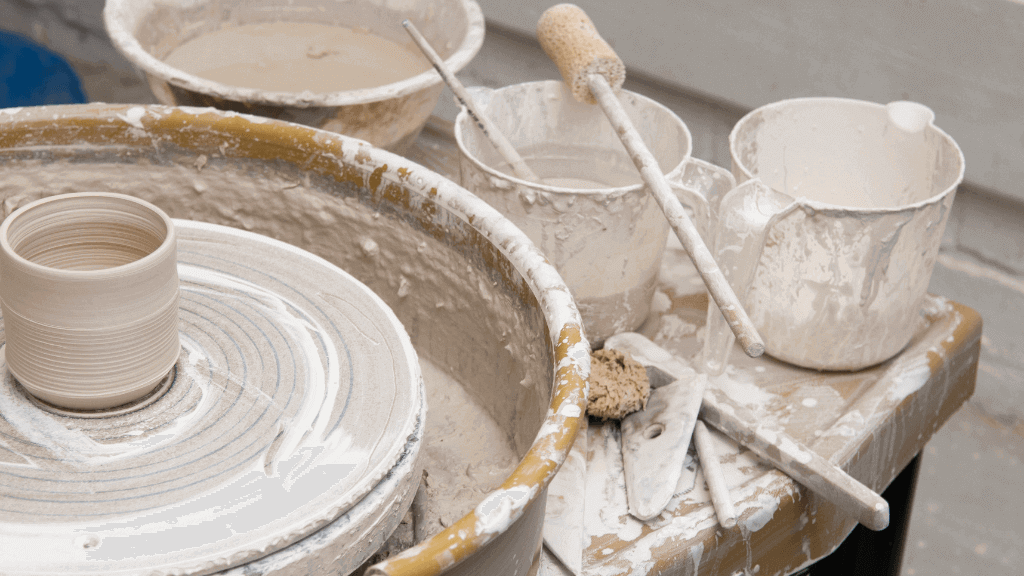
The best places to buy a used pottery wheel are Facebook Marketplace, Craigslist, and OfferUp for private listings, plus local pottery studios, university surplus sales, and estate sales for the wheels that get maintained well. Expect to pay $150 to $400 for a small or older electric wheel, $300 to $700 for a solid mid-range one, $500 to $900 for a barely-used premium brand, and $100 to $400 for a kick wheel that you’ll have to haul yourself.
Pottery wheels hold their value because the good ones run for decades, so don’t shop expecting half-off on every listing. The real savings come from knowing where to look, what a fair price is for the type in front of you, and how to spot a tired wheel before you pay for it.
Where to Buy a Used Pottery Wheel
Used wheels sell fast, so the trick is checking several places often and setting up alerts. Here’s where I send people, roughly in the order I’d start:
- Facebook Marketplace. The biggest source by far. Search a wide radius, save the search, and turn on notifications. Good wheels in the $300 to $600 range often sell within a day.
- Craigslist. Fewer listings than it used to have, but still worth a weekly scan, especially in larger metro areas. Search nearby cities too.
- OfferUp. Similar to Marketplace and worth checking in parallel. Some sellers post on one and not the other.
- Local pottery studios and co-ops. Studios upgrade equipment and sell their old wheels cheap. These were maintained by people who know wheels, which makes them some of the safest buys. Ask to go on a waiting list.
- University and school surplus sales. Art departments and public schools periodically clear out ceramics equipment through surplus auctions. Prices can be excellent, but the wheels are sold as-is and have usually seen daily classroom use.
- Estate sales. A retiring or deceased potter’s studio sale is where lifetime-quality wheels show up at fair prices. Slower hunting, best bargains.
- Guild and club boards. Local pottery guilds, ceramic arts clubs, and their Facebook groups trade equipment among members. Quality tends to be high because everyone knows everyone.
- Ceramic supply shops. Some take trade-ins and resell refurbished wheels, occasionally with a short guarantee. You’ll pay more than a private sale, but the lower risk can be worth it.
- eBay. Workable for parts and small tabletop wheels, but shipping a full-size wheel runs $150 to $400 in freight and risks damage. Stick to local pickup when you can.
My honest advice: don’t wait for the perfect listing in your town. Set alerts across two or three of these and be ready to move the same day.
Fair Used Pottery Wheel Prices by Type
Here’s what I generally see used wheels selling for. Condition and brand move these numbers more than anything, so treat them as starting points, not gospel.
| Type of used wheel | Typical used price | Notes |
|---|---|---|
| Tabletop / small electric | $150–$400 | Low torque; fine for small pieces under a few pounds |
| Mid-range electric | $300–$700 | The sweet spot for a first real wheel |
| Premium brand electric | $500–$900 | Often barely used; best long-term value |
| Kick wheel (manual) | $100–$400 | Heavy, local pickup, cheap because nobody wants to move one |
A few patterns hold across the used market:
- Premium brands barely depreciate. A lightly used wheel from an established maker often sells for only 20 to 30% below new, because buyers know it’ll run for decades. If a recent professional wheel is priced under half its new cost, look closer. There’s usually a reason.
- No-name and hobby wheels drop fast. Budget import wheels lose most of their value quickly, so a low price there reflects the wheel, not a deal.
- Kick wheels are the bargain of the category. They show up cheap, sometimes free, because they weigh 200 to 400 lbs and the buyer hauls them.
If you want the full pricing breakdown by tier, I’ve laid it all out in how much is a used pottery wheel, and the new-price comparison lives in how much are pottery wheels. Read both before you negotiate so you know whether you’re getting a deal.
What to Inspect Before You Buy
Never buy an electric wheel you haven’t seen run. If a seller won’t let you plug it in, assume there’s a problem and price accordingly. Here’s my checklist, in the order I do it:
- Plug it in and listen to the motor. It should hum evenly at every speed. Grinding, clicking, or a burning smell are walk-away signs.
- Run the foot pedal through its full range. Speed should climb smoothly from a crawl to full. Surging, dead zones, or speed that jumps unexpectedly usually means a worn pedal or controller, which is a $100 to $250 repair.
- Check the wheel head for wobble. Rest a fingertip lightly against the spinning edge. Visible runout makes centering miserable and rarely gets better.
- Test the bearing for play. With the wheel off, grab the wheel head and rock it side to side. It should feel solid. Any noticeable play or knocking points to a worn bearing.
- Center real clay if you can. Bring 10 to 15 lbs and lean on it at low speed. A weak motor reveals itself the moment you press into the clay. My guide on how fast a pottery wheel spins explains what a healthy speed range looks like under load.
- Look at the splash pan. Cracked, warped, or missing splash pans are common, and replacements run $50 to $100 if you can find them for that model.
- Inspect the cord, plug, and underside. Bent prongs, burn marks, cracked insulation, packed-in dried clay, and rust all tell you how the wheel was treated.
- Ask why they’re selling. “I never got into it” paired with a nearly-new wheel is the answer you want. Vague answers about a worn wheel deserve more questions.
One more thing before you commit: ask about the brand’s parts availability. A great wheel from a maker that no longer sells pedals or belts can become a paperweight when something fails. Stick to established names and you’ll be able to find replacement parts for years.
Buying a Used Kick Wheel
Kick wheels are the best deal in used pottery equipment, and the reason is simple. They’re heavy, and almost nobody wants to move 200 to 400 lbs of concrete or steel flywheel. A wheel that cost four figures new often sells for $100 to $400 used.
Before you buy one, check:
- The bearing. Give the flywheel a strong kick. It should spin smoothly and quietly for a long time. Grinding or wobble means a worn bearing.
- The frame. Look for rust on steel frames and rot or cracks in wooden ones.
- The seat height. Kick wheels don’t adjust like electric ones, so make sure it fits your body before you haul it home.
- Your moving plan. Bring two strong helpers, a furniture dolly, and a truck. Some flywheels detach for transport, so ask the seller before you arrive. I cover real-world wheel weights in how heavy is a pottery wheel.
A well-built kick wheel can last the rest of your life. There’s no motor to burn out and nothing electronic to fail.
Which Brands Hold Their Value
The established US names hold value because their wheels run for decades and parts stay available. When you see one of these used and in good shape, it’s usually worth paying closer to the asking price:
- Brent
- Shimpo (Nidec)
- Skutt / Thomas Stuart
- Speedball
- Pacifica
All of them make wheels good enough that you won’t outgrow them. The differences come down to pedal feel, motor noise, and price tier. If you’re comparing what these brands offer new versus what you’re seeing used, my picks are in the guide to the best electric pottery wheel, and I cover comfort and capacity for grown adults in the best pottery wheel for adults.
A no-name import can still work fine for small pieces, but understand the tradeoff: weaker motors stall under a few pounds of clay, light frames walk across the floor when you center hard, and resale value is close to nothing.
Used vs. New: When Each Makes Sense
Buy used when you find a well-maintained wheel from a quality maker, especially one coming out of a home studio rather than a classroom. A home wheel that threw a few evenings a week has had a far easier life than one that ran daily in a school. These wheels routinely give you 20 or more good years.
Buy new when your local market only offers worn classroom wheels or no-name imports near full price. A new wheel comes with a warranty, and that coverage matters most on the controller and motor, which are exactly the parts that fail on tired used wheels. Sometimes the gap between a used wheel with unknown history and a new one with a warranty is smaller than it first looks.
And if neither fits the budget yet, keep the alerts running and start handbuilding in the meantime. Pinch pots, coils, and slabs cost almost nothing and teach you a lot about clay before your wheel arrives.
FAQ
Where can I find a used pottery wheel for sale?
Facebook Marketplace, Craigslist, and OfferUp have the most private listings. For better-maintained wheels, check local pottery studios upgrading their equipment, university and school surplus sales, estate sales, and ceramic supply shops that resell trade-ins. Set up saved-search alerts, because good wheels sell within days.
How much should I pay for a used pottery wheel?
Expect $150 to $400 for a small or older electric wheel, $300 to $700 for a solid mid-range one, $500 to $900 for a lightly used premium brand, and $100 to $400 for a kick wheel. If a recent professional wheel is priced under half its new cost, inspect it extra carefully before you buy.
Where can I find a used kick wheel for sale?
Kick wheels turn up most often on Facebook Marketplace and Craigslist, plus estate sales and studio closures. They’re priced low because they weigh 200 to 400 lbs and the buyer has to move them. Check that the bearing spins smoothly and the frame is sound, then bring help and a truck.
What should I check before buying a used pottery wheel?
Run it at every speed and listen for grinding, test the foot pedal through its full range, check the wheel head for wobble, rock the head to feel for bearing play, and center real clay if you can. Inspect the splash pan, cord, and underside, and confirm replacement parts are still available for the brand.
Are used pottery wheels worth it?
Usually, yes. Pottery wheels are simple, durable machines, and a well-kept used wheel from a major brand is one of the best values in ceramics. Just test it under load before you pay, and stick to brands with available parts so a small failure later doesn’t strand you.